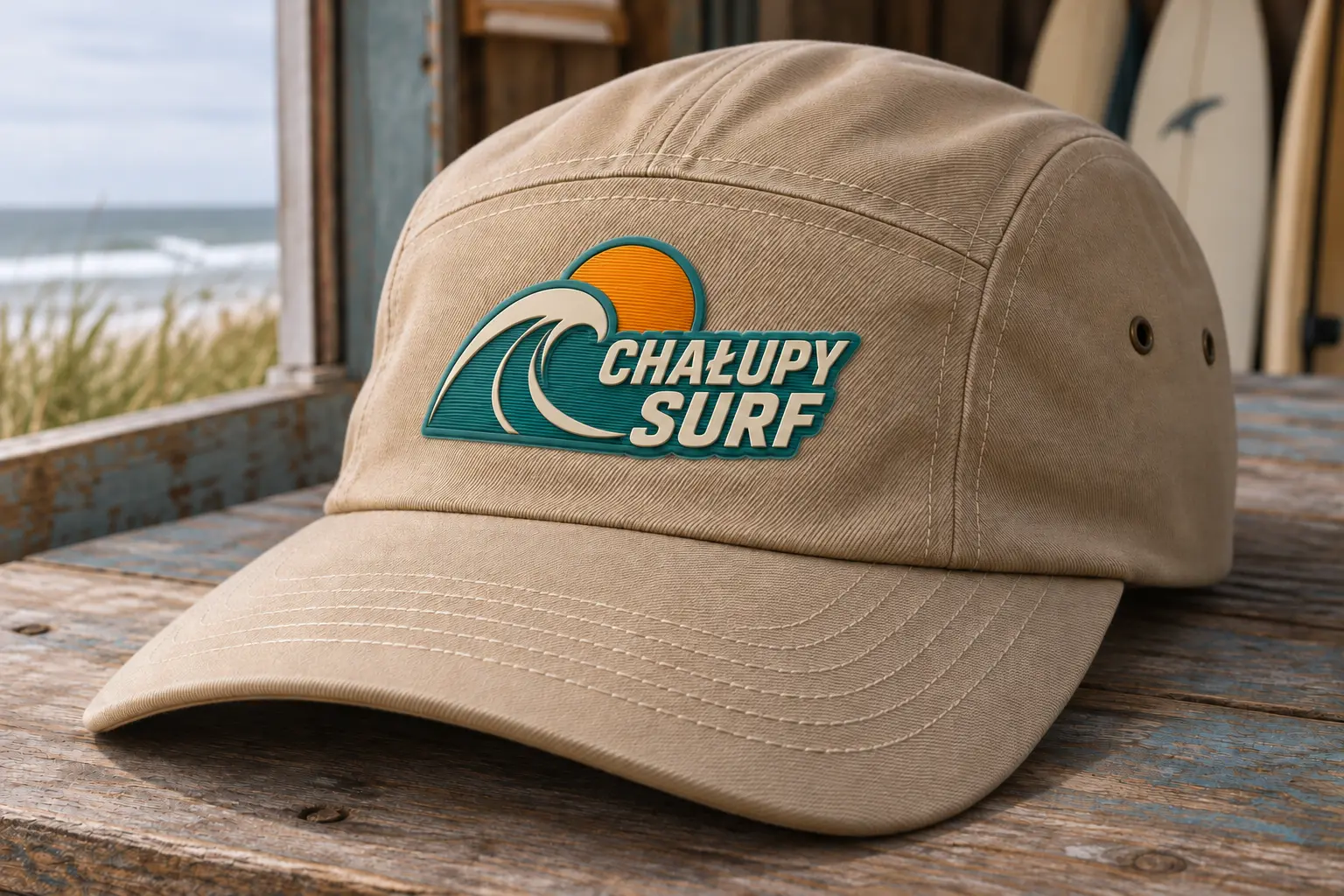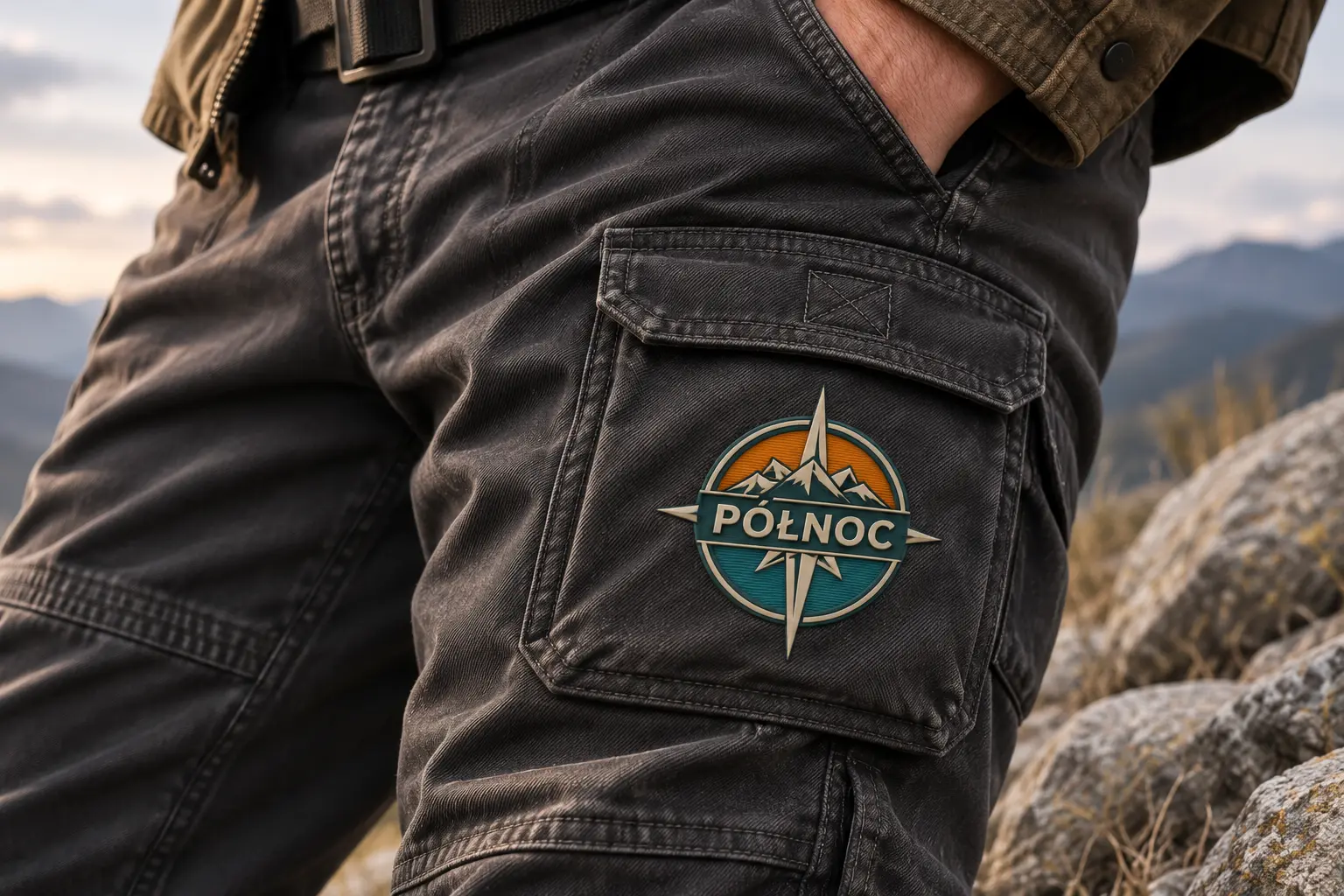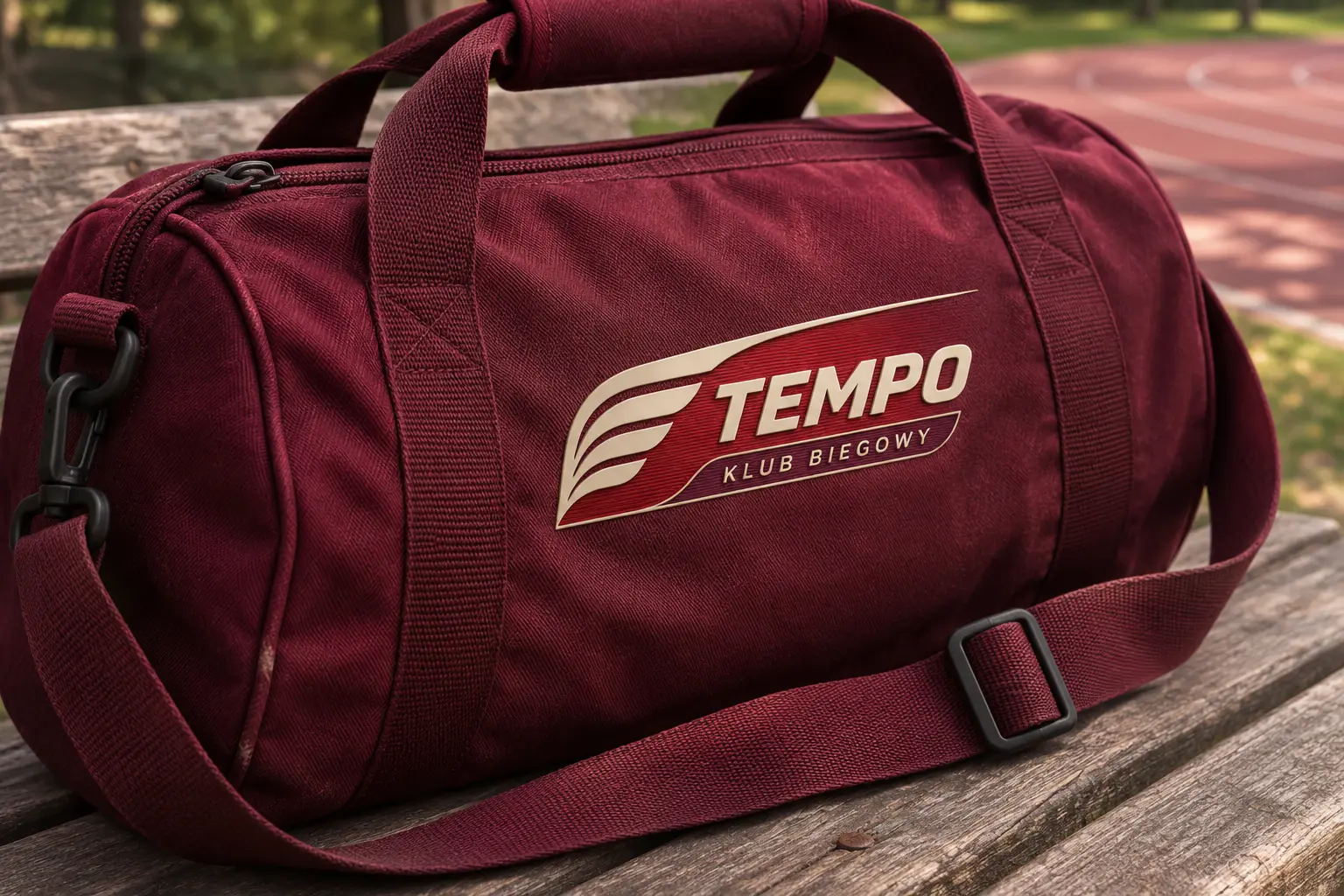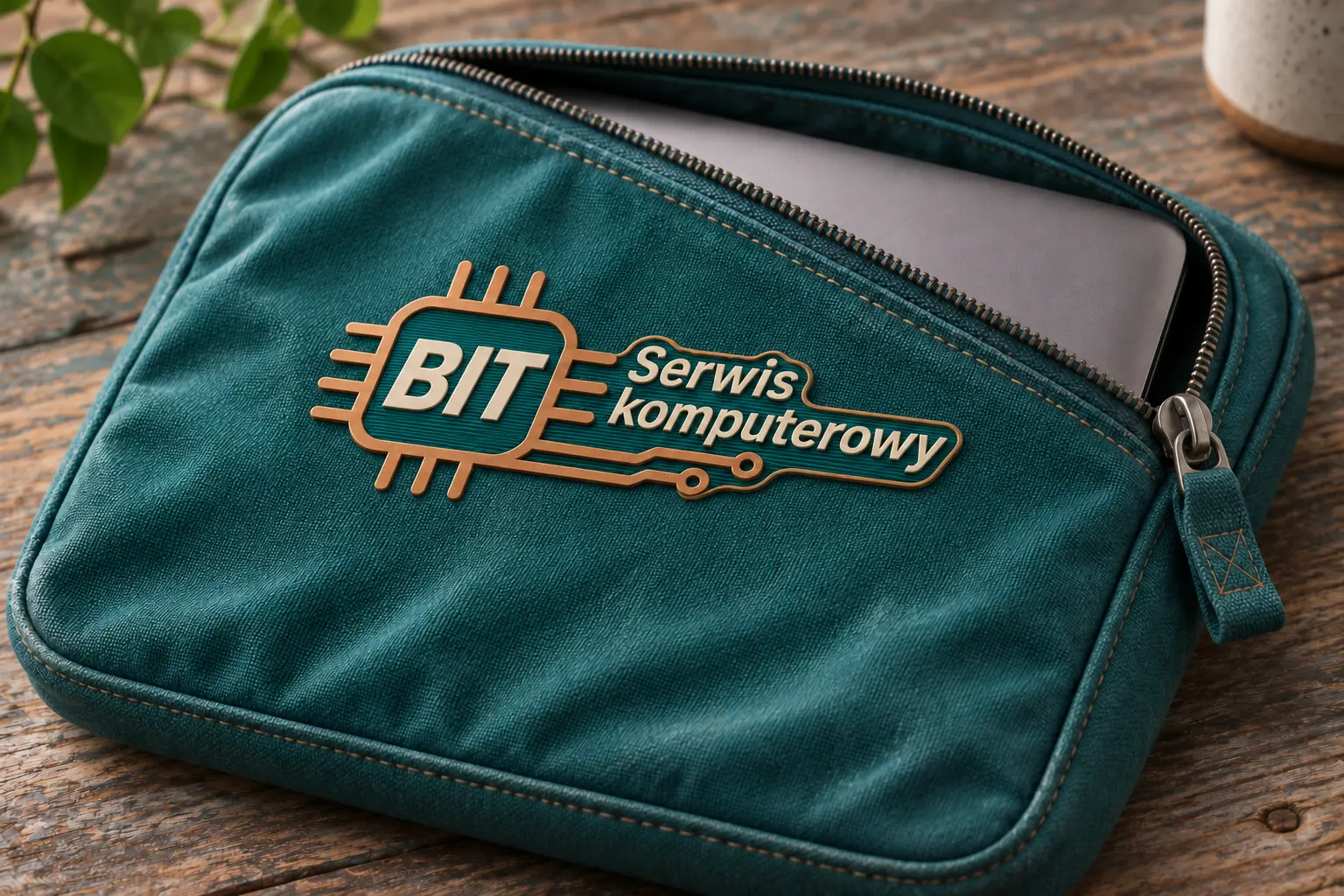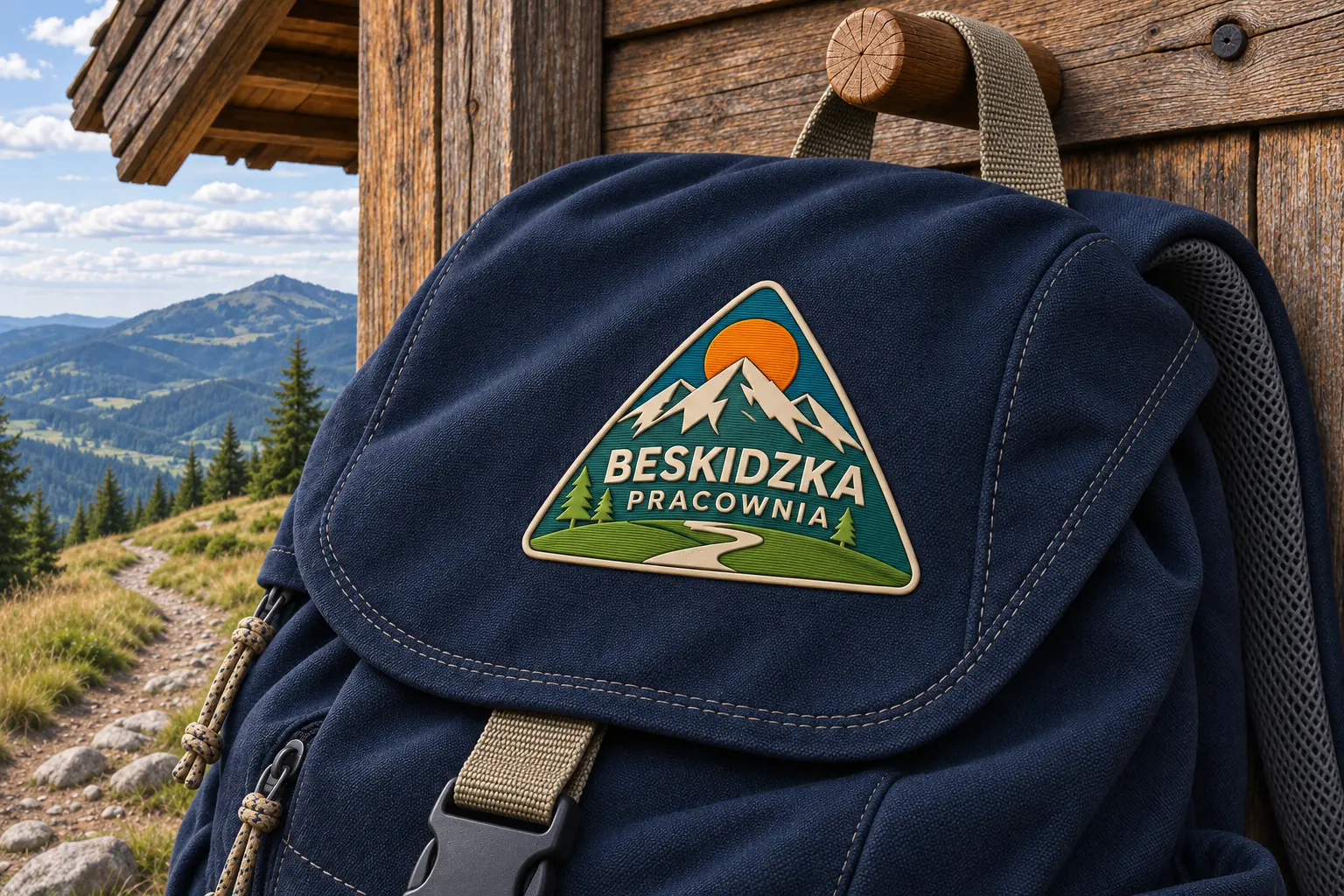
What is 3D PATCH technology?
A modern method of producing flexible, dimensional heat-transfer emblems on thermoplastic polyurethane (TPU) film. TPU is highly flexible, resists stretching and bending, and adheres excellently to many fabrics. Unlike rigid prints or traditional patches, it adapts to the shape of the material without discomfort - essential in sportswear, where freedom of movement and comfort come first.
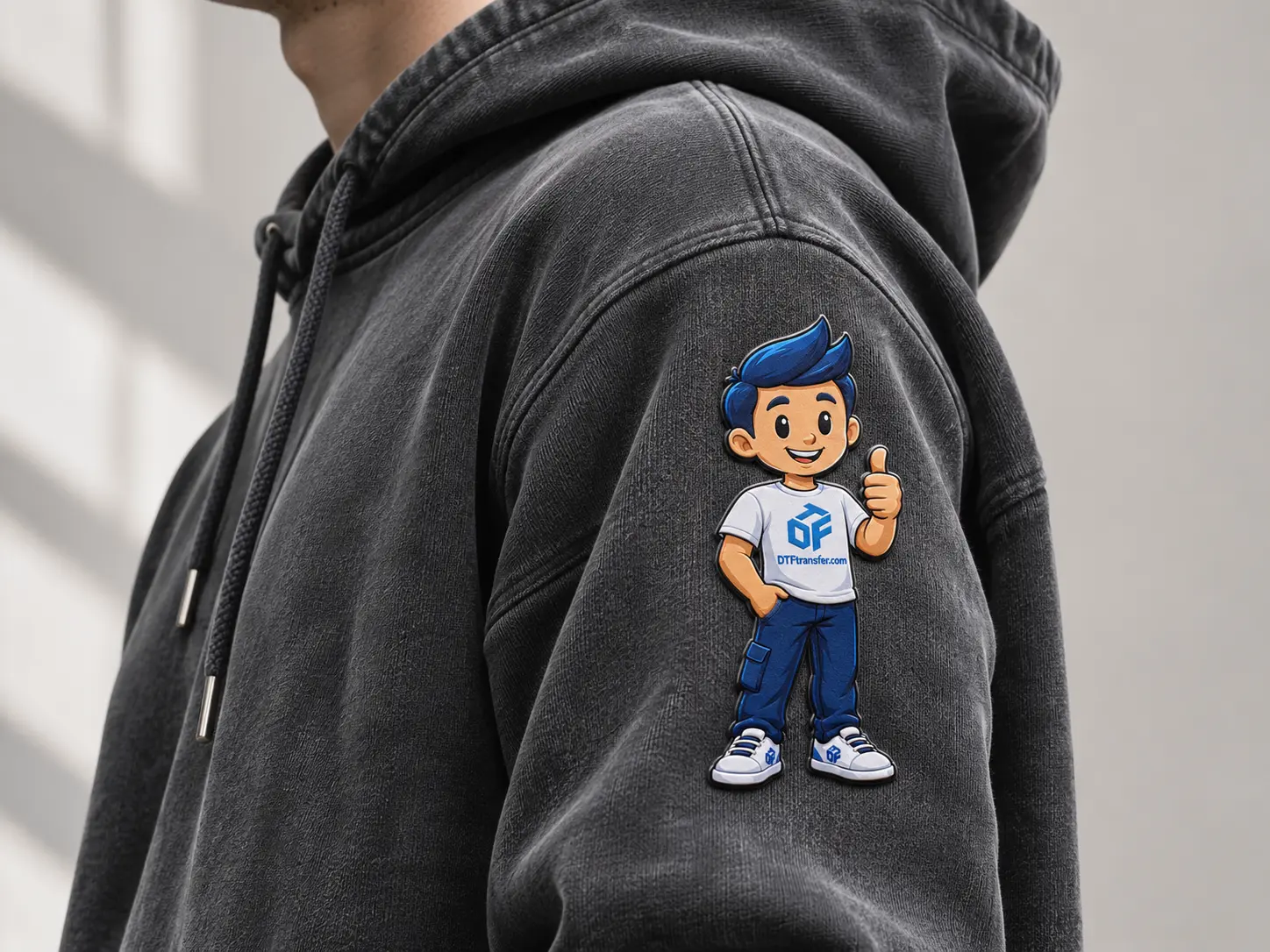
First a full-color image is printed with DTF UV, then dimensional TPU layers of varying heights are applied. The result is an emblem with a clearly noticeable 3D structure that stays fully flexible. A matte TPU surface with glossy selective varnish accents gives the effect of a premium patch - at a much lower cost and with a shorter turnaround. The piece is applied with a heat press at a temperature suited to the base material.
What sets 3D PATCH apart?
Unlike standard DTF prints, 3D PATCH adds a third dimension - literally. Elements can be raised to different heights, creating depth and physical presence on the material. Selective glossy varnish highlights key details such as lettering, outlines and symbols. The effect resembles a handcrafted patch, at a much lower cost and with full-color printing.
Key properties of TPU material
Flexibility and pliability similar to fabric
Distinct 3D dimensional effect
Matte, elegant base surface
Resistance to washing and everyday use
Compatibility with various garment materials
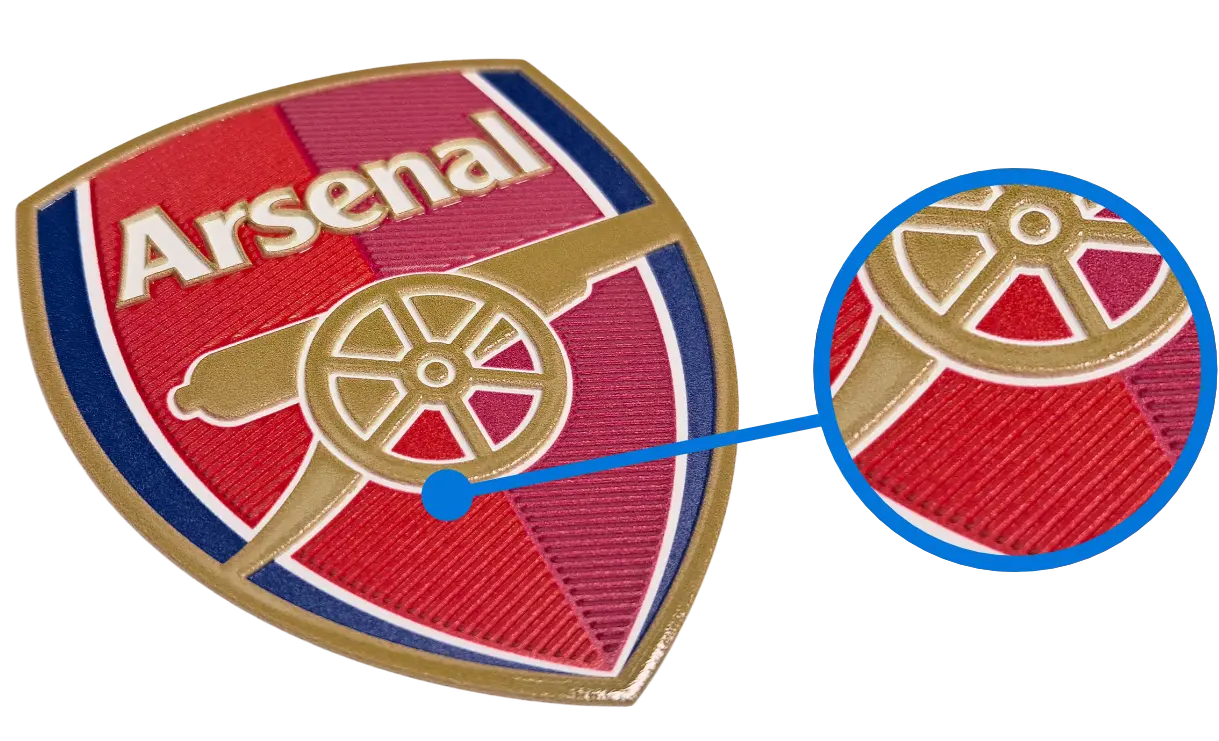
Technological capabilities
Each element can be used on its own or in any combination, giving designers and customers complete creative freedom.
Full-color CMYK + white printing
The full CMYK palette together with white reproduces any design accurately - from simple logos to complex graphics with gradients and shadows. White is printed as a separate base layer, so colors stay vibrant even on dark fabrics.
Three-dimensional 3D elements
Graphic elements with varying heights and shapes - from subtle raised details to clearly defined 3D forms. The height of each section is planned during design preparation to create effects of depth and movement.
Glossy selective varnish
Varnish applied precisely to selected parts - lettering, outlines, crests and symbols. The contrast between matte TPU and glossy accents creates a premium effect and increases the perceived value of the product.
Flexible TPU film
Thermoplastic polyurethane gives excellent flexibility and durability. The print does not crack, peel or lose color even after repeated washing, and adapts to the fabric while keeping wearing comfort.

Who is 3D PATCH for?
Works especially well wherever a dimensional effect helps - where standard flat printing does not fully capture the character of the design.
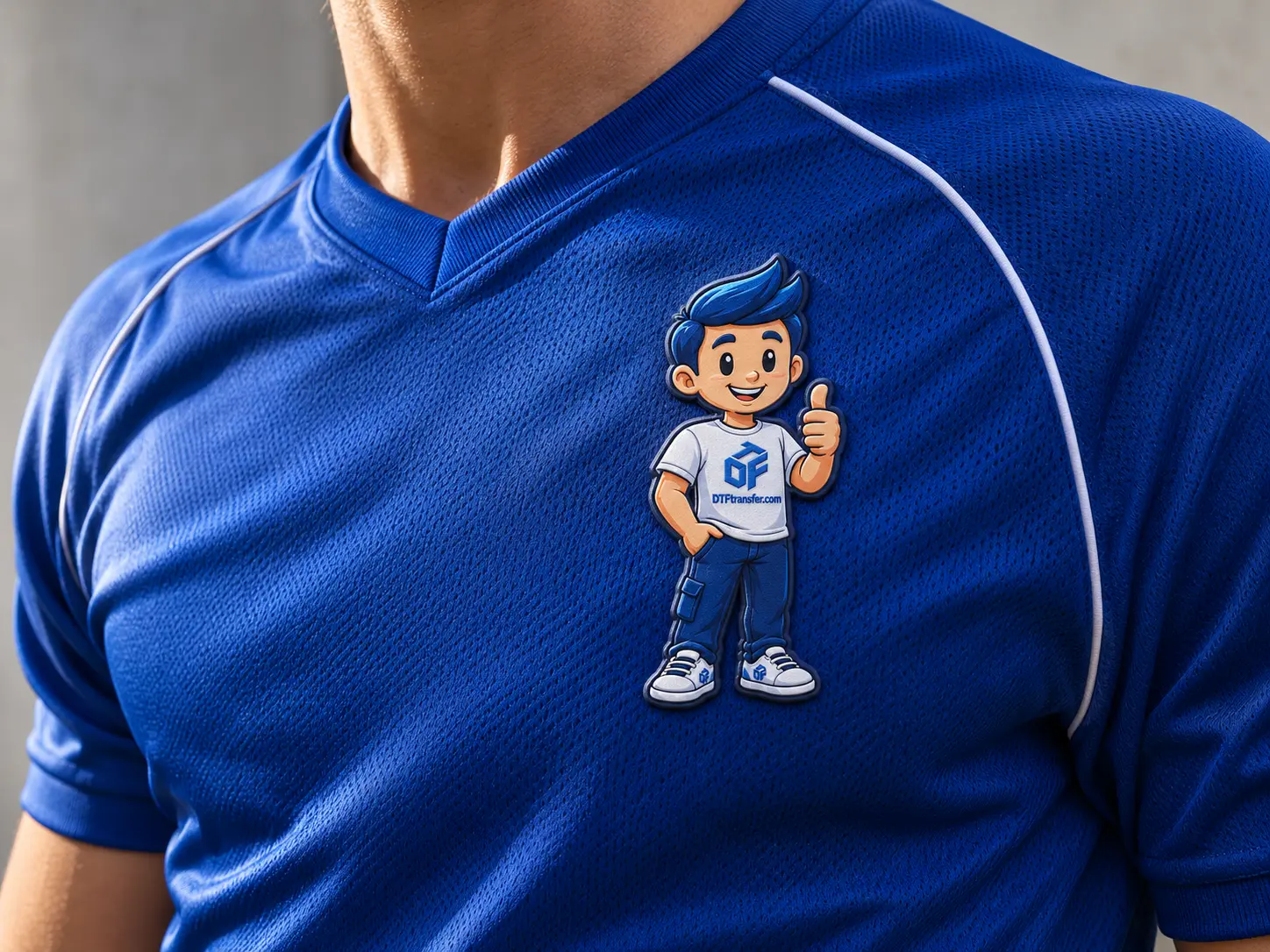 .
Crests and logos for clubs, match jerseys and training wear. A dimensional emblem gives the product a premium feel and strengthens fans’ connection with the club - even complex crests with many elements are reproduced faithfully.
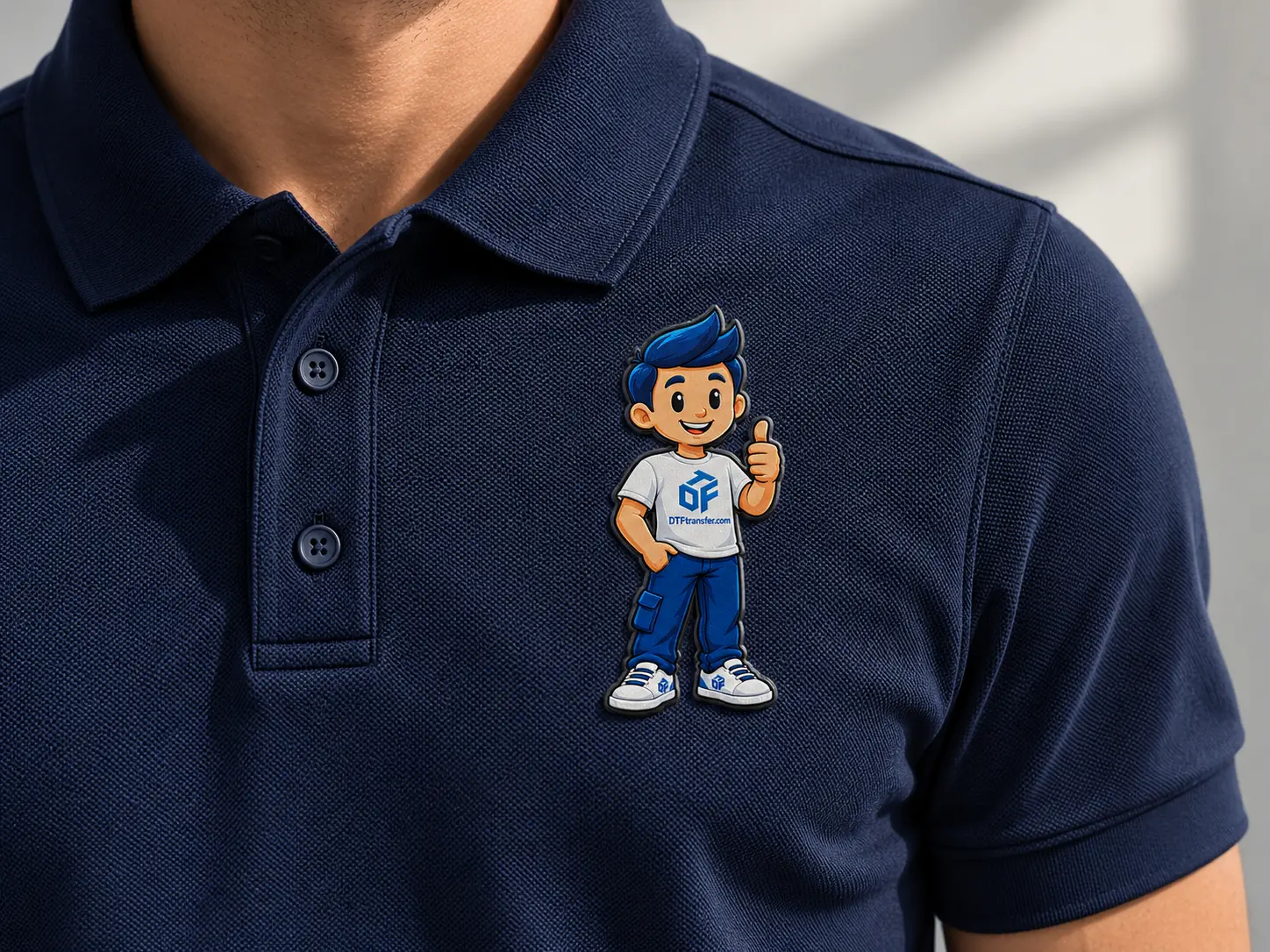 .
Standout branding on employee uniforms, promotional and advertising clothing. A dimensional company logo on a polo shirt, jacket or cap builds a consistent, recognizable brand image.
 .
Unique decorative elements, dimensional applications, brand marks and graphic motifs that give collections a distinctive character. Precise selective varnish makes striking details possible.
How is the price calculated?
48 cm²
Sample logo
Popular sportswear size:
60 × 80 mm = 6 × 8 cm.
€0.03
per 1 cm²
Net price per cm², based on the external dimensions (width × height).
€1.44
Unit price
48 cm² × €0.03 = €1.44 net per piece.
100 pcs = €144 net.
5000 cm²
Free design threshold
Total area per design above which the €25 net preparation fee is not added.
The unit price is always based on the rectangle enclosing the whole design - for irregular shapes, maximum width × maximum height. The rate per cm² is fixed; the final cost depends on size and quantity. The 5000 cm² threshold is calculated separately for each design: different logos, versions or variants needing separate preparation are separate projects. All prices net - VAT added according to applicable regulations.
Example: 60 × 80 mm logo
Area 48 cm² · €0.03 / cm² · €1.44 net per piece
50 pcs × €1.44 €72.00 net
100 pcs × €1.44 €144.00 net
200 pcs × €1.44 €288.00 net
500 pcs × €1.44 €720.00 net
Plus €25 net design preparation unless the total area exceeds 5000 cm².
When is the project free?
For a 48 cm² logo: 5000 ÷ 48 ≈ 105 pieces.
100 pcs (4800 cm²): + €25 net project fee
105 pcs (5040 cm²): project free
Project preparation for production
3D PATCH needs specialized file preparation beyond standard flat printing, carried out by an experienced designer who knows this technology.
Project preparation
One-time fee when the total area of a design is under 5,000 cm². Includes a visualization from your materials, the 3D elements, the selective varnish plan and one revision after the first visualization.
Additional revisions and edits
Each revision after the first. Also applies to already prepared projects - changing dimensions, proportions, layout, the 3D shape or the varnish scope is a separate paid edit.
Vectorization and graphic work
Send vector files: PDF, AI, EPS, SVG or CDR. Low-quality raster files (JPG, PNG, photo, scan) may need vectorization - you’ll be told if it’s needed and the likely scope before work begins.
Project acceptance process
Before production, every client receives a detailed computer visualization of the final product, so expectations match the technology and every element is interpreted correctly
02 / Preparing the visualization
3D and varnish areas
01 / Submitting materials
The client sends files and specifications
03 / Client review
Approval or revisions
04 / Production starts
After approval and payment
The visualization is based on the information and materials you provide - the more detail (which elements should be raised, which varnished), the more accurate the first visualization and the fewer revisions. It is for reference only: color perception, gloss intensity, exact element height and light reflection on TPU may differ slightly. Once approved and payment is posted, production starts immediately.
📐 Dimensional elements
Shows which parts of the design will be raised and to what height.
✨ Spot varnish
Areas covered with glossy varnish are clearly marked.
🎨 Color arrangement
The full CMYK + white palette is reproduced according to the supplied design.
Order fulfillment timeline
Standard turnaround is about 3 business days from approval of the proof or visualization, for orders of typical complexity. For larger or more complex projects, the timeline is confirmed individually before production.
1
Order placement
Submission of the design, dimensions and specifications
2
Visualization preparation
Development of the production design
3
Client approval
Approval and any revisions.
4
Payment
Payment received or terms fulfilled
5
Production and shipping
~3 business days after approval
The timeline starts after
- Approval of the design by the client
- Confirmation of dimensions and quantity
- Resolution of all technical questions
- Payment has been received or agreed commercial terms have been met
All conditions must be met together.
What can affect the timeline?
- Order size - large orders may require more production time
- Project complexity - intricate 3D elements require additional attention
- Number of revisions - each visualization revision extends pre-production time
- Material availability - in the case of non-standard requirements
- Seasonality - during periods of high demand, lead times may be longer
You’ll always be told the current timeline before the order is confirmed.
How to place an order
For an accurate, binding quote, send us everything we need to calculate costs and prepare the design. The more detail, the faster we can make an offer.
1 Project file
Preferably vector: PDF, AI, EPS, SVG or CDR. For raster files, send the highest-resolution version available.
2 Final print dimensions
Width and height of the emblem in mm or cm - used to calculate the area and unit price.
3 Planned quantity
Affects the total area and whether the project preparation cost is charged.
4 3D effect and varnish specifications
Which elements should be raised and which parts get selective gloss varnish.
5 Target material type
The type of clothing or material - helps us choose the optimal application temperature.