Choosing a DTF transfer isn't just about color and price. It's primarily about matching the technology to the material it's being applied to and the problem it's solving. Applying the wrong type of transfer to polyester can result in dye migration, while using a standard transfer on glass or metal can result in it peeling off after a few days.
Below you'll find a practical comparison of the five transfer types we offer: STANDARD, BLOCKER, HYDRO, UV, and 3D. You'll learn which materials they're best suited for, when it's worth conducting an application test, and how to quickly select the right product for your specific application.
DTF STANDARD
the universal choice for startes
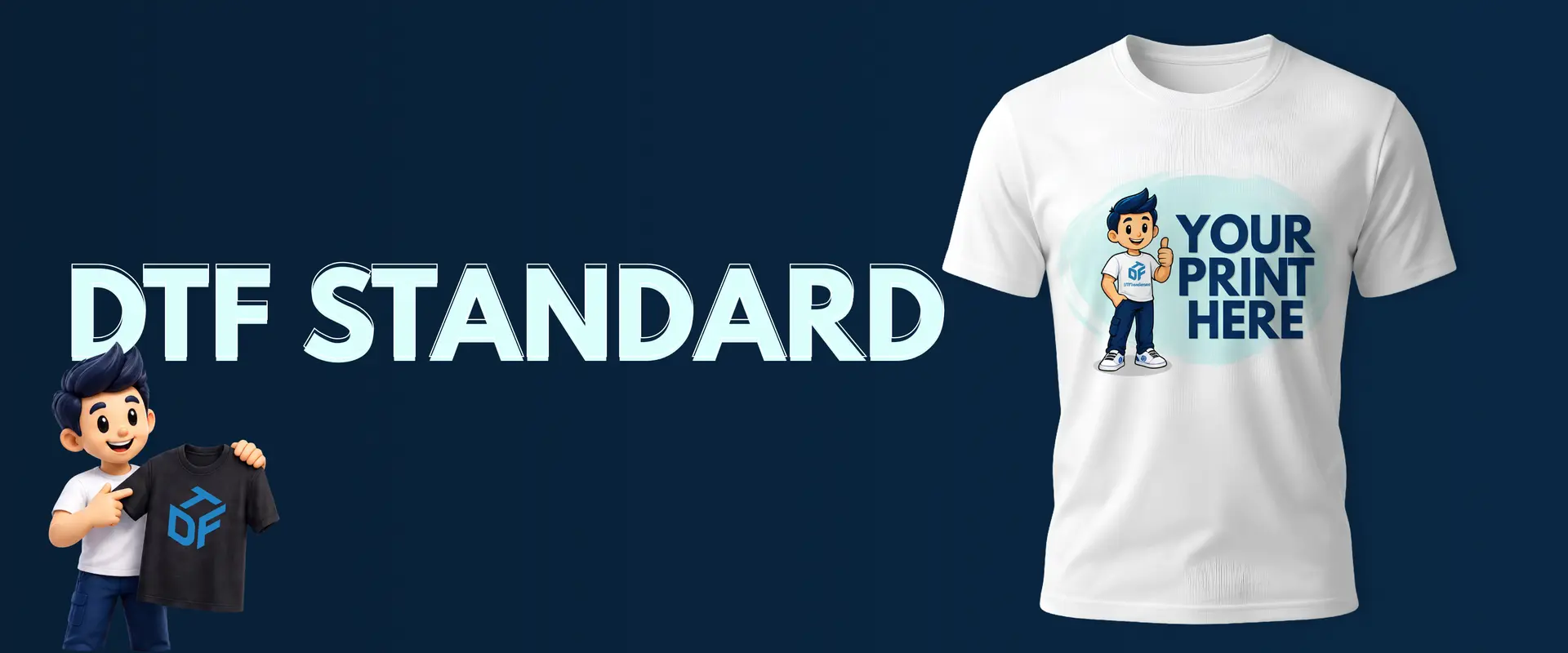
DTF STANDARD is the most comprehensive product in our offer. It works on typical fabrics and cotton-polyester blends, which is what constitutes the majority of orders in the clothing industry.
Most common applications
t-shirts and sweatshirts
cotton and fabric bags
standard fabric blends
color-stable cotton and polyester blends
When to choose STANDARD? When the fabric is color stable, it does not tend to migrate dye, and the design does not require specialized effects. This is the safest choice for the beginning of cooperation and regular production.
| Important: We always recommend an application test on the target material before launching a large batch.
DTF BLOCKER
when the pigment starts to migrate
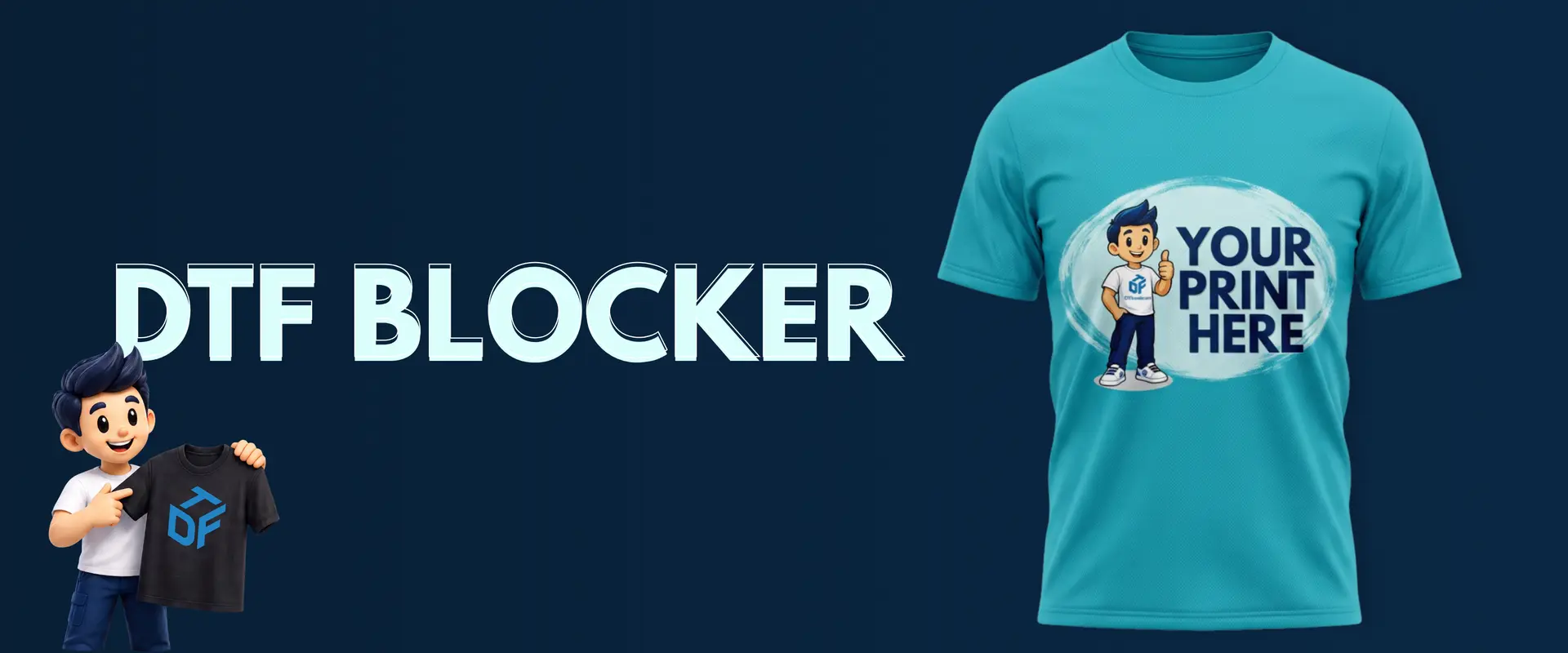
DTF BLOCKER was created with fabrics prone to dye migration in mind, primarily selected polyesters and sublimated fabrics. In such materials, the dye from the fabric can "transfer" to the white transfer substrate and ruin the color scheme of the image.
Most common applications
sportswear
polyester and polyester blends
intensely dyed fabrics
selected sublimated fabrics
When to choose BLOCKER? When you are dealing with a fabric that stains a white backing, or when you are unsure if a particular polyester is colorfast. BLOCKER acts as an additional barrier, reducing the risk of migration.
| Important: Before mass production, perform a test on exactly the material you intend to decorate.
DTF HYDRO
specialist in difficult conditions
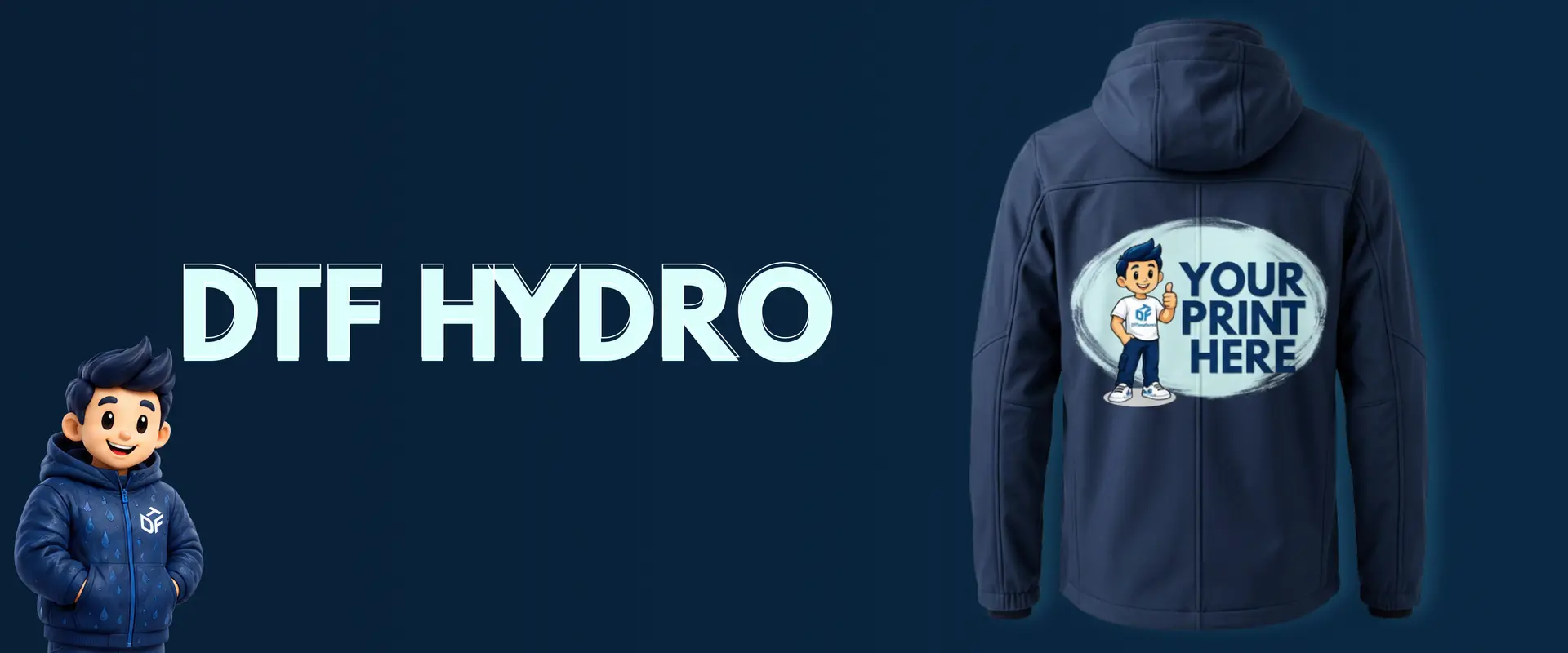
DTF HYDRO is a specialized product that we choose when the task requires a custom-selected technology. The details of its application and the full specification are determined with our technologist, as it requires an analysis of the specific material and effect.
Most common applications
unconventional fabrics requiring adjustment
special requirements regarding elasticity
unusual requirements concerning durability or appearance after washing
applications that cannot be classified in a standard way
If you have an unusual fabric, special requirements for flexibility, durability, or appearance after washing, please contact us. We will describe the situations in which HYDRO delivers the best results.
| Important: HYDRO is not an 'off-the-shelf' product - first, talk to a technologist.
DTF UV
not fabrics, but hard surfaces
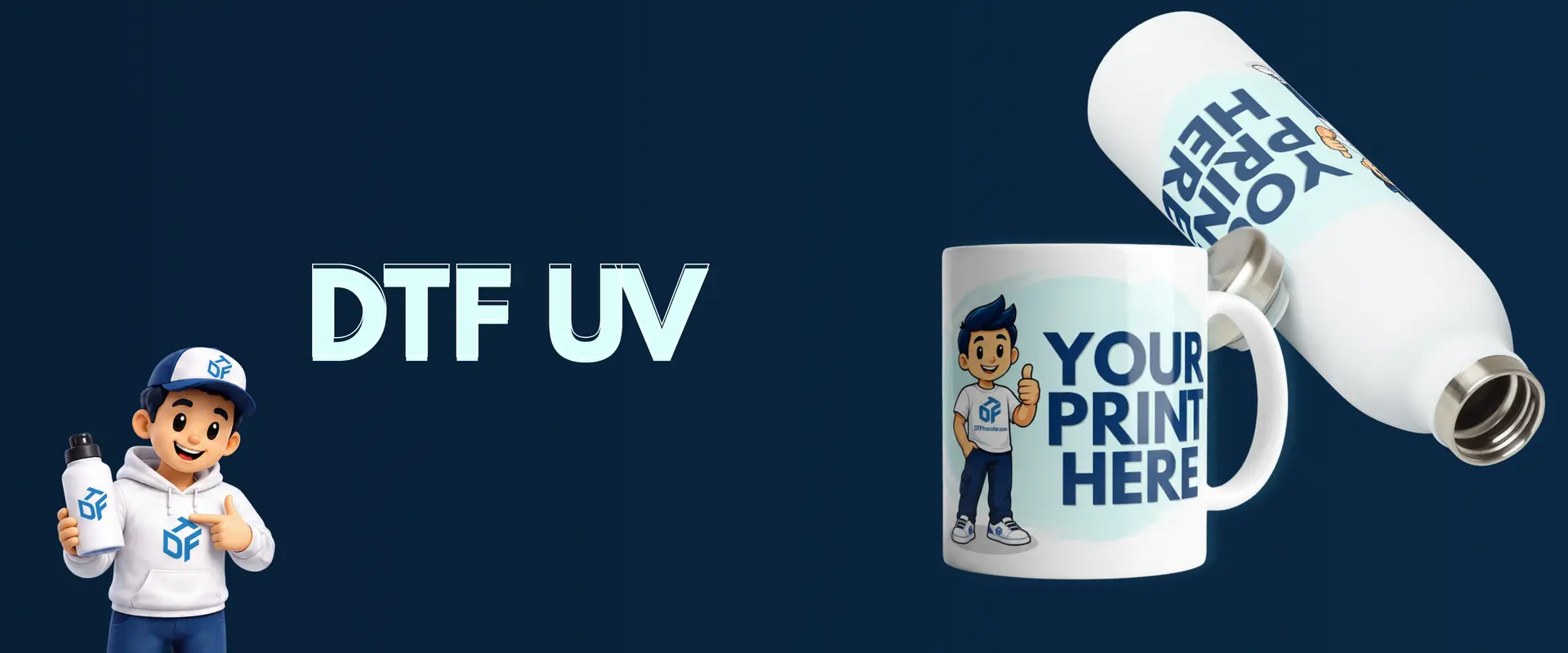
DTF UV is a completely different category. These are DTF UV stickers that you apply to hard, non-textile surfaces - without a heat transfer press. They work on glass, metal, plastic, and other rigid materials.
Most common applications
glass and ceramics
metal
plastic
promotional gadgets and packaging
When to choose UV? When you are decorating items, not clothing. It's a great option for gifts, labels, product markings, and promotional elements.
| Important: DTF UV is not intended for textiles. Before use, perform a test on the target surface.
DTF 3D
the fluff effect that is coming
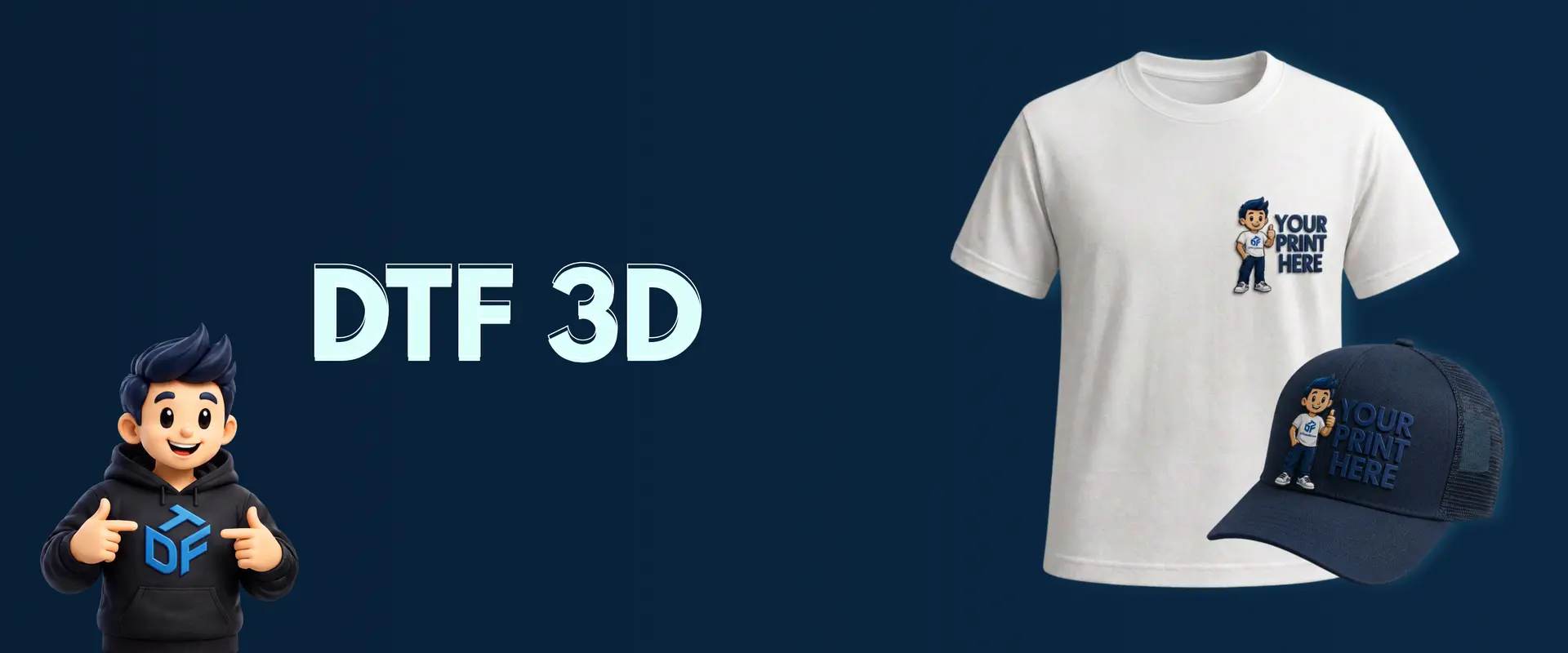
DTF 3D are transfers with a plush effect, meaning a three-dimensional pattern that can be felt under the fingers. We are currently finalizing the application process, and the product will be available in the store soon.
Most common applications
embossed logos
sportswear branding
premium streetwear
tactical effects on fabrics
When to choose 3D? When you want to add a raised, tactile dimension to the image. Perfect for premium brands, sports collections, and limited editions.
| Important: We are currently finalizing the application process. Let us know, and we will notify you when 3D is available.
How to choose a transfer - quick summary
Surface / Material | Recommended Transfer |
Cotton and standard fabric blends | DTF STANDARD |
Polyester, sublimation fabrics and deeply dyed textiles | DTF BLOCKER |
Non-standard fabrics with special requirements | DTF HYDRO |
Glass, metal and plastic | DTF UV |
Puff / 3D effect
| DTF 3D |
Before placing a large order
Each fabric can behave differently depending on its composition, dyeing, finishing, and press settings. Therefore, we always recommend:
1 ordering transfer samples,
2 performing an application test on the target material,
3 determining the temperature, time, and pressure of the press before larger production.
Our technical team will help you choose the transfer, prepare the file, and configure the application..
Summary
The choice between STANDARD, BLOCKER, HYDRO, UV, and 3D depends on the material, effect, and the problem you want to solve. For typical textiles, choose STANDARD; for polyesters and fabrics prone to migration - BLOCKER; for hard surfaces - UV; and for unusual applications, contact us regarding HYDRO. DTF 3D is a future option for down effects.
If you are unsure which transfer to choose, use our product selection assistant on the homepage or write to us - we will check your material and recommend the best solution.
You don't know which transfer to choose?
Our technologists will check your material and help you choose the appropriate technology.